Season 1
Episodes • 1992




1. Rain, Beakmania & Volcanoes
22 minWacky scientist Beakman and his assistant Josie, and Lester, an actor dressed as a mangy rat, answers an inquiry about where puddles go after it has rained. Although Lester suggests they are licked up by stray dogs, Beakman proceeds to explain the mysteries of rain and evaporation using a variety of household props. In the "Beak-Mania" portion of the show, Beakman attempts to answer, in rapid succession, short viewer inquiries on topics such as living prehistoric animals (the platypus), the most commonly used word in the English language and the heaviest animal in the history of the world (blue whale). Then, after a trick in which he balances a pair of forks atop a toothpick, Beakman forces Josie to reveal the question for the show's final segment, "What is snot?" Turning to volcanoes, Beakman explains the processes in the Earth's interior that create, and then discharge, molten magma. With the aid of film footage of volcanic eruptions, Beakman employs a foam rubber model of the Earth and a rubber glove to show how magma moves from deep inside the Earth and appears on the surface as lava. Finally, asked by Josie about why some volcanoes explode, Beakman uses a cherry pie to demonstrate the power, and mess, of a volcanic eruption.
▶ Watch Episode2. Gravity, Beakmania & Inertia
22 minBeakman explains the laws of gravity; Galileo shows the effects of gravity;. Sir Isaac Newton explains inertia; how a seat belt helps save lives.
▶ Watch Episode3. Noises at Night, Beakmania & The Nose
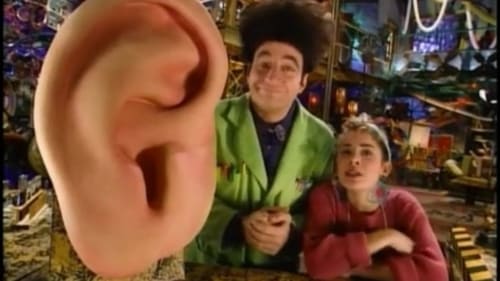
22 minThe "Beakman's World" episode titled "Noises at Night, Beakmania & The Nose" is part of Season 1, Episode 3. In this episode, Beakman and his team dive into fun and educational experiments to explain the science behind various noises, particularly those heard at night. They explore how the human ear works, why we hear certain sounds more clearly at night, and why the sounds of the world around us change as the sun goes down.
▶ Watch Episode4. Blood, Beakmania and Dreams
22 minThe Beakman's World episode titled "Blood, Beakmania & Dreams" is from Season 1, Episode 4. In this episode, Beakman and his team dive into the science of blood, explaining how it circulates through the body, the role it plays in keeping us alive, and the components that make up blood, such as red and white blood cells. They explore how our body uses blood to transport oxygen and nutrients, and how it helps fight infection.
▶ Watch Episode5. Leaves, Beakmania, & Paper
22 min"Leaves, Beakmania & Paper": Beakman explains photosynthesis, why leaves change color, and how paper is made, alongside fun experiments and a Beakmania segment.
▶ Watch Episode6. Soap, Beakmania, & Auto Engines
22 min"Soap, Beakmania & Auto Engines": Beakman explains how soap works, the science behind cleaning, and dives into how auto engines run, with a fun Beakmania segment filled with humor and experiments.
▶ Watch Episode7. Electricity, Beakmania, & Light Bulbs
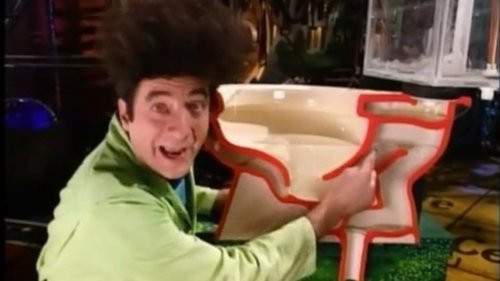
22 min"Electricity, Beakmania & Light Bulbs": Beakman explores how electricity works, the science behind light bulbs, and includes a fun Beakmania segment with quirky experiments and facts.
▶ Watch Episode8. Sound, Beakmania, & Explosions
22 min"Sound, Beakmania & Explosions": Beakman explains how sound travels, the science of explosions, and features a Beakmania segment with fun experiments and comical demonstrations.
▶ Watch Episode9. Refraction, Attraction & Beakmania
22 min"Refraction, Attraction & Beakmania": Beakman explores light refraction, the science of attraction (magnetism), and includes a Beakmania segment with humorous experiments and quirky questions.
▶ Watch Episode10. Levers, Beakmania, & Television
22 min"Levers, Beakmania & Television": Beakman explains how levers work, the science behind television, and features a fun Beakmania segment with engaging experiments and humorous antics.
▶ Watch Episode
11. Boats, Beakmania & Airplanes
22 min"Boats, Beakmania & Airplanes": Beakman explores how boats float, the science of flight, and includes a fun Beakmania segment with experiments and quirky demonstrations.
▶ Watch Episode
12. Bubbles, Beakmania & Feet
22 min"Bubbles, Beakmania & Feet": Beakman dives into the science of bubbles, explaining how they form, why they pop, and their surface tension. The episode also explores the science behind feet, including how they help us balance and walk. In the Beakmania segment, Beakman answers quirky questions and performs humorous experiments. The episode blends fun with science, engaging viewers with hands-on demonstrations that explain everyday phenomena in an entertaining way.
▶ Watch Episode
13. Microscopes, Beakmania & Healing
22 min"Microscopes, Beakmania & Healing": Beakman explains how microscopes work and how they help us see tiny things. The episode also explores the science of healing, including how our bodies repair themselves. In Beakmania, Beakman answers fun questions and does quirky experiments. The show combines science with humor, offering hands-on demonstrations and making complex concepts like cell regeneration and magnification entertaining and easy to understand for kids.
▶ Watch Episode
14. Scientific Method, Beakmania & Rainbows
22 min"Scientific Method, Beakmania & Rainbows": Beakman explains the scientific method, showing how experiments are conducted step-by-step. The episode also explores how rainbows form, with fun Beakmania segments and experiments.
▶ Watch Episode
15. Vaccinations, Beakmania & Friction
22 min"Vaccinations, Beakmania & Friction": Beakman explains how vaccinations work to protect the body from diseases, exploring how they boost the immune system. The episode also dives into the science of friction, showing how it affects everything from walking to car brakes. In the Beakmania segment, Beakman answers fun, quirky questions and performs experiments to demonstrate these concepts. With humor and hands-on demonstrations, the episode makes these scientific principles fun and easy to understand for kids.
▶ Watch Episode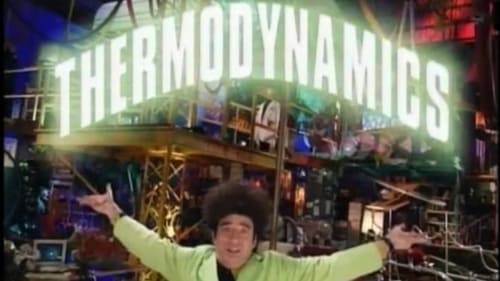
16. Thermodynamics, Beakmania & Pimples
22 min"Vaccinations, Beakmania & Friction": Beakman explains how vaccinations work to protect the body from diseases, exploring how they boost the immune system. The episode also dives into the science of friction, showing how it affects everything from walking to car brakes. In the Beakmania segment, Beakman answers fun, quirky questions and performs experiments to demonstrate these concepts. With humor and hands-on demonstrations, the episode makes these scientific principles fun and easy to understand for kids.
▶ Watch Episode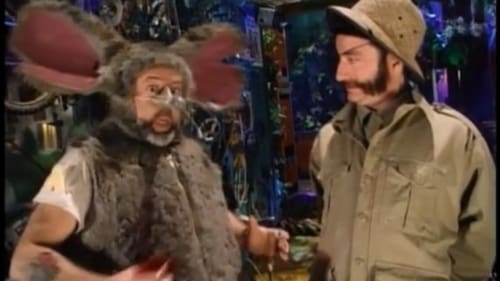
17. Fossils, Beakmania & the Human Voice
22 min"Fossils, Beakmania & the Human Voice": Beakman explores how fossils form and what they tell us about ancient life. The episode also dives into the science of the human voice, explaining how we produce sound. In Beakmania, Beakman answers quirky questions and performs fun experiments. With a mix of humor and hands-on demonstrations, the episode makes complex topics like paleontology and vocal mechanics accessible and entertaining for kids.
▶ Watch Episode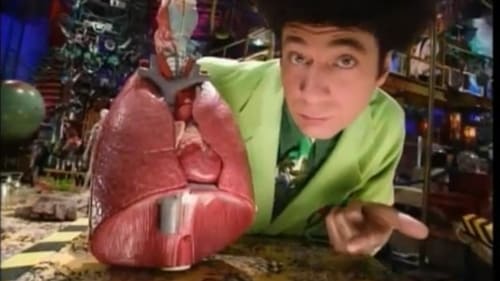
18. Lungs, Beakmania & Telephones
22 min"Lungs, Beakmania & Telephones": Beakman explains how lungs work to breathe and how oxygen travels through the body. The episode also explores the science behind telephones, demonstrating sound transmission. In Beakmania, Beakman answers quirky questions and conducts fun, educational experiments. Combining humor with science, the episode makes complex topics like respiration and communication systems fun and easy for kids to understand through interactive demonstrations.
▶ Watch Episode
19. Tape Recordings, Beakmania & Force Vs. Pressure
22 min"Tape Recordings, Beakmania & Force vs. Pressure": Beakman explains how tape recordings capture sound and how sound waves are stored. The episode also explores the difference between force and pressure, showing how they affect objects. In Beakmania, Beakman answers fun questions and performs quirky experiments. With humor and hands-on demonstrations, the episode makes concepts like sound recording and physics principles accessible and entertaining for kids.
▶ Watch Episode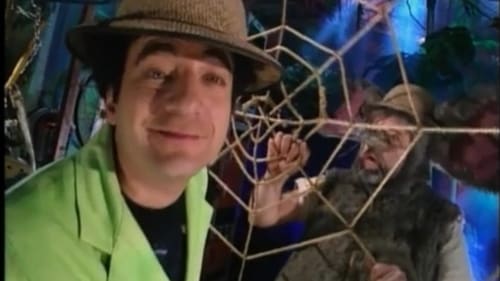
20. Microwaves, Beakmania & Spiders
22 min"Microwaves, Beakmania & Spiders": Beakman explores how microwaves work to heat food and how they affect molecules. The episode also delves into the fascinating world of spiders, explaining how they spin webs and catch prey. In Beakmania, Beakman answers quirky questions and performs fun, educational experiments. With humor and hands-on demonstrations, the episode makes complex topics like microwave energy and arachnology both entertaining and easy to understand for kids.
▶ Watch Episode